Climate Tipping Points You Should Know
Climate tipping points are thresholds in Earth’s climate system that, once crossed, can trigger rapid and potentially irreversible changes. These events may seem distant, but their consequences affect ecosystems, communities, and economies worldwide. Understanding these tipping points helps individuals, organizations, and policymakers make informed decisions to prevent irreversible damage. From thawing permafrost to collapsing ice sheets, knowing how and where these events might occur is essential for anyone concerned about the planet’s future.
Before diving deeper, let’s provide a snapshot of the most crucial aspects of climate tipping points.
Recognizing the Most Critical Climate Tipping Points
Climate tipping points can seem abstract, but they have very real effects. These thresholds exist in different natural systems, and each carries unique consequences for the planet. Understanding which tipping points are most critical allows readers to grasp the scale of climate risks and why urgent action is necessary.
Consider the following key points as a brief overview:
- Ice sheets in Greenland and Antarctica are melting faster than expected, raising sea levels.
- Amazon rainforest dieback could reduce global carbon absorption, worsening climate change.
- Ocean circulation shifts may alter weather patterns, affecting agriculture and water supplies.
- Permafrost thawing releases methane, a potent greenhouse gas, accelerating warming.
These examples highlight how different regions and systems are interconnected. Each tipping point carries unique consequences, emphasizing the need for global awareness and targeted interventions.
What Climate Tipping Points Are
Climate tipping points are critical thresholds in Earth’s climate system. When crossed, they can trigger rapid changes that are difficult, or even impossible, to reverse. These points exist in various natural systems, including ice sheets, oceans, and forests. Understanding what tipping points are, how they work, and why they matter is essential for anyone interested in climate action.
These thresholds are not hypothetical; they are backed by scientific research and observed phenomena. Knowing how tipping points operate helps readers grasp why small changes in greenhouse gas emissions or land use can have outsized effects. This section sets the stage for exploring the key types of climate tipping points, their causes, and their consequences.
Key Types of Climate Tipping Points
Before diving into specifics, it’s important to understand that tipping points can affect both local ecosystems and the global climate system. Some changes are gradual, while others occur abruptly, creating cascading effects across regions.
Ice Sheets and Glaciers
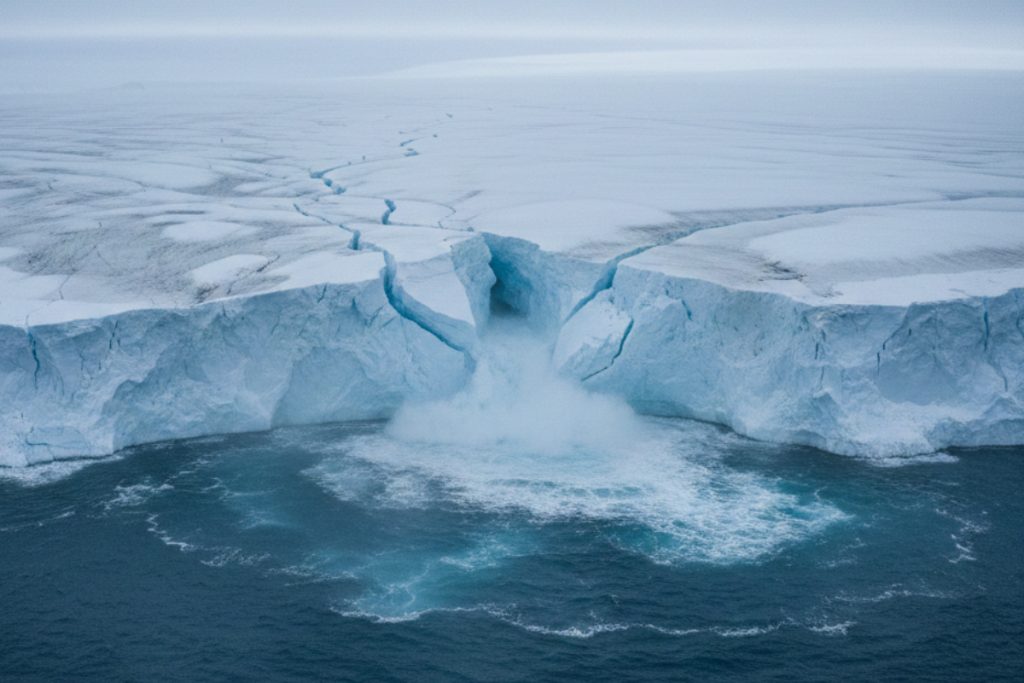
Ice sheets in Greenland and Antarctica hold massive amounts of frozen water. If they melt past a tipping point, sea levels could rise by several meters over centuries, putting coastal cities and island nations at risk. The melting is uneven: some glaciers retreat slowly, while others collapse suddenly, causing unpredictable effects on ocean circulation. Monitoring ice sheet stability helps governments plan for coastal defenses and infrastructure adaptation. Early reductions in greenhouse gas emissions can slow this process, giving communities time to prepare.
Forest and Vegetation Systems
Tropical forests, such as the Amazon, act as huge carbon sinks, absorbing CO₂ from the atmosphere. Widespread dieback or deforestation could release stored carbon, accelerating global warming. Beyond carbon storage, these forests are home to countless species, so their loss threatens biodiversity. Protecting forests through sustainable land management and reforestation helps reduce the risk of crossing tipping points while preserving vital ecosystems.
Cascading Effects Across Systems
Crossing one tipping point often triggers others. Melting ice can alter ocean currents, while forest dieback changes rainfall patterns. These cascading effects demonstrate how interconnected Earth’s systems are. Even localized changes can have global repercussions, making early intervention essential. Implementing carbon capture solutions can help stabilize some systems by removing excess greenhouse gases and slowing the approach to multiple tipping points.
Causes and Drivers of Climate Tipping Points
Understanding what triggers tipping points is key to preventing them. Both human activities and natural processes push systems past critical thresholds.
Human Activities
Deforestation, fossil fuel burning, and intensive agriculture are major drivers. These activities increase greenhouse gas concentrations and disrupt natural systems, accelerating warming and destabilizing climate feedback loops. Even seemingly small local actions, when replicated globally, can push ecosystems closer to tipping points.
Natural Processes
Volcanic eruptions, ocean current shifts, and solar variations also influence tipping points. While these processes occur naturally, human-driven climate change has amplified their impacts, increasing the likelihood of abrupt transitions. Recognizing the role of natural processes alongside human activity helps guide more effective climate interventions.
Methane and Greenhouse Gas Impact
Addressing methane’s climate impact is critical to reducing tipping point risks. Methane, released from livestock, landfills, and fossil fuel extraction, traps heat far more effectively than carbon dioxide in the short term. Reducing methane emissions through improved waste management, dietary choices, and industrial regulations can slow warming and lower the chances of crossing vulnerable thresholds.
Potential Global Consequences
Crossing tipping points can trigger severe consequences for both the environment and human societies. Understanding these outcomes highlights the urgency of climate action.
Environmental Effects
Rising seas, extreme heatwaves, and prolonged droughts threaten ecosystems worldwide. Species loss and habitat destruction can occur rapidly in vulnerable regions. Ocean acidification and changing weather patterns further stress ecosystems, disrupting food chains and natural cycles.
Human and Economic Impacts
Coastal cities, agricultural systems, and freshwater supplies face heightened risks. Economic stability is threatened as infrastructure, crops, and livelihoods are compromised. Food insecurity and migration pressures may rise in areas affected by sudden climate shifts.
Cascading Global Effects
Even small changes can create large, cascading impacts. Ice sheet loss in Greenland could destabilize ocean circulation, affecting rainfall and temperature patterns across continents. Understanding these potential chain reactions emphasizes the need for global cooperation and timely interventions.
When and Where Tipping Points Could Occur
Climate tipping points do not happen uniformly around the globe. Certain regions are more vulnerable due to geography, climate, and human activity. Recognizing these hotspots guides mitigation and adaptation strategies.
Regional Vulnerabilities
Polar regions experience rapid ice melt, tropical forests face deforestation, and oceans warm and acidify. Each region has specific thresholds that, if crossed, can trigger local and global effects. Implementing carbon reduction strategies in energy, transportation, and industry can significantly lower the risk for these vulnerable regions.
Early Warning Signs
Scientists monitor indicators like temperature anomalies, ice sheet retreat, and shifts in ocean currents. Early detection allows governments, communities, and individuals to act before thresholds are crossed, reducing the likelihood of irreversible changes.
What You Can Do to Help
Awareness of climate tipping points empowers readers to take meaningful action. Individuals, communities, and policymakers can all contribute to mitigating risks and building resilience.
Personal Actions
Reducing energy consumption, adopting sustainable diets, and choosing low-carbon transportation are impactful individual measures. Even small changes, multiplied across millions of people, can slow the approach to tipping points.
Community and Policy Initiatives
Communities and governments can implement policies supporting renewable energy, sustainable agriculture, and carbon management. Coordinated initiatives amplify individual efforts and enhance resilience against climate thresholds.
Facing Climate Tipping Points: Why It Matters
Being informed about climate tipping points helps readers make wiser choices and support change at larger scales. These thresholds shape ecosystems, influence weather patterns, and affect livelihoods across regions. Looking at the issue alongside the planetary boundaries framework also shows how close human activity is pushing Earth’s systems toward irreversible stress, reinforcing the need for timely action.
Recognizing these tipping points highlights that everyday decisions still carry weight. Personal habits, community efforts, and support for effective policies can reduce risks before systems cross the points of no return. Staying aware of these dynamics encourages participation in practical solutions while reinforcing a sense of responsibility and shared purpose.