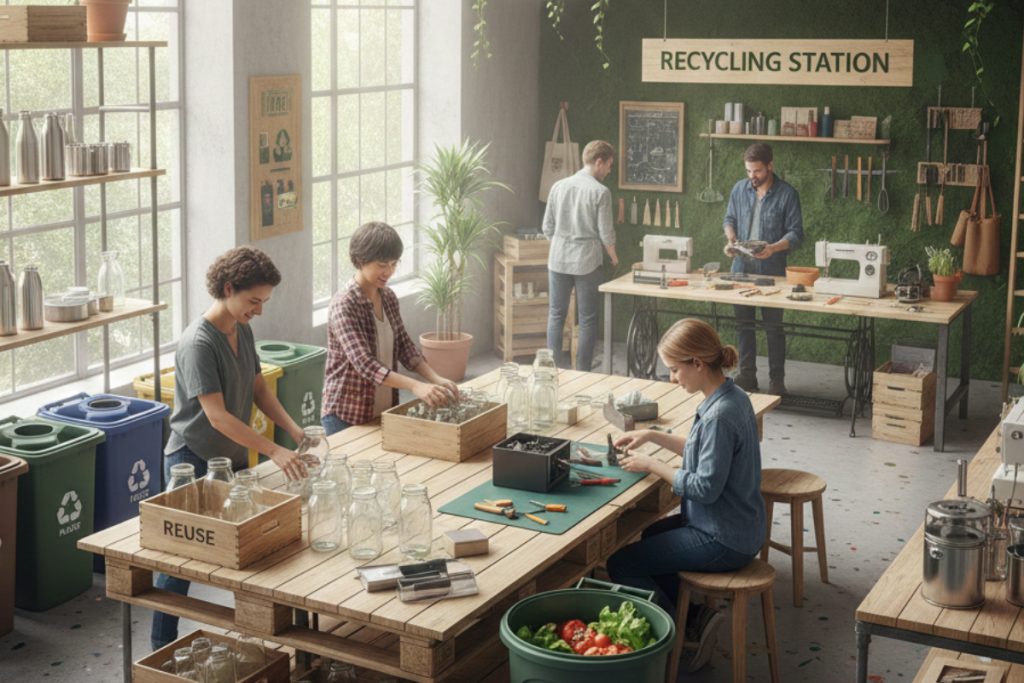
Moving Toward a Circular Economy
In today’s world, the circular economy offers a new way to rethink how we use resources. Unlike the traditional linear model, which takes, makes, and disposes, a circular approach focuses on reducing waste, reusing materials, and recycling products to keep resources in use for as long as possible. This shift is essential for individuals, businesses, and communities aiming to reduce environmental impact while creating sustainable value. By understanding and applying the principles of such an economy, everyone can contribute to a healthier planet.
Moving toward a circular economy also encourages innovation and smarter use of resources. Businesses can save money by minimizing waste, while consumers can make choices that benefit both their wallets and the environment. Before diving into the detailed steps, let’s provide a quick overview of what this article will cover.
How Circular Economy Practices Make a Difference
To get a clear picture of the circular economy, it helps to break down its main elements. These practices guide individuals and organizations in creating a sustainable system where materials stay in use rather than ending up in landfills. Here’s a look at the core ideas:
- The circular economy reduces the need for raw materials and lowers greenhouse gas emissions.
- Individuals and businesses can adopt small, meaningful actions that multiply to create a significant impact.
- Recycling, reusing, and rethinking product design are central strategies in keeping materials circulating.
Key actions to consider include:
- Designing products for longevity and repair.
- Reducing single-use items in daily life.
- Supporting local recycling and composting initiatives.
- Encouraging collaboration among industries to share resources.
These points form a strong foundation for transitioning to a circular economy and guide where to start for anyone eager to contribute.
What a Circular Economy Really Means
The circular economy is a system designed to keep resources in use for as long as possible. Instead of following the traditional “take, make, dispose” model, it emphasizes reducing waste, extending product lifecycles, and creating closed-loop systems where materials are continually reused or recycled.
At its core, the circular economy is about designing smarter solutions. Products are made to last longer, repair and reuse are encouraged, and end-of-life materials are reintegrated into new products. This approach not only conserves natural resources but also reduces environmental impact.
Adopting a circular economy mindset means thinking about how materials flow through the economy. For instance, a piece of furniture might be designed so its parts can be reused or recycled after many years, instead of being thrown away. Understanding these concepts sets the stage for exploring their principles and the practical steps both individuals and businesses can take.
Exploring the Core Principles of Circular Economy
To fully embrace a circular economy, it’s helpful to understand its guiding principles. This section explains how these principles work and how they can be applied at home and in business.
Reduce Waste in Daily Life
Minimizing unnecessary consumption is a critical first step. Simple lifestyle changes can make a big difference. For instance, choosing reusable products instead of single-use items helps reduce environmental strain. Many households have successfully adopted small habits to reduce household waste, including swapping disposable containers for long-lasting alternatives and being mindful of food waste. Every small action adds up when practiced consistently.
Recycling and Reuse in Practice
Recycling and reuse are more than empty slogans; they are actionable steps that preserve resources. Companies and communities can implement effective recycling practices that ensure materials return to production cycles instead of filling landfills. For example, businesses can repurpose scrap materials into new products, while consumers can donate items or repair them instead of discarding them. These efforts keep materials valuable and extend their lifespan.
Composting as a Circular Action
Organic waste is another area where circular economy strategies shine. By returning nutrients to the soil, composting closes the loop on organic materials. People can engage in composting at home, transforming food scraps and garden waste into nutrient-rich compost. This practice not only reduces landfill pressure but also enriches soil for gardening, connecting everyday actions to broader environmental benefits.
Why the Circular Economy Benefits Everyone
A circular economy is not just an environmental concept; it offers economic and social advantages as well. Understanding these benefits helps illustrate why the transition matters.
Environmental Gains
The most obvious impact is environmental. Circular economy practices lower greenhouse gas emissions and reduce pollution. By keeping materials in use and minimizing waste, we preserve natural resources and protect ecosystems. For example, recycling plastics and metals reduces the need for new mining, cutting energy consumption and habitat disruption.
Economic Advantages
Businesses that adopt circular strategies often see long-term savings. Optimizing supply chains, repurposing materials, and extending product life cycles reduce costs. Additionally, the circular economy can foster innovation, creating new products and markets while generating green jobs. Consumers also benefit from durable, repairable products that last longer, reducing the need to replace items frequently.
Social Benefits
Communities gain from circular practices as well. Local recycling, repair, and composting initiatives strengthen social connections and create education opportunities. Individuals feel empowered when they contribute to solutions, while neighborhoods benefit from cleaner environments and more sustainable consumption habits.
Practical Steps to Implement Circular Economy Practices
Transitioning toward a circular economy may seem complex, but it starts with small, actionable steps. These strategies apply to individuals, businesses, and governments alike.
For Individuals
Start by assessing daily habits. Choose reusable items, repair broken products, and donate or repurpose materials instead of throwing them away. Composting and mindful recycling reinforce these efforts. Simple adjustments, like carrying a reusable water bottle or shopping bag, add up over time.
For Businesses
Companies can redesign supply chains to prioritize sustainability. Using recycled materials, implementing take-back programs, and designing products for repairability reduces waste. Firms that invest in circular practices not only cut costs but also enhance brand reputation as responsible and forward-thinking.
For Policy Makers
Governments and policymakers play a crucial role in supporting circular economy initiatives. Policies that incentivize recycling, promote sustainable materials, and fund research help industries adopt circular practices. Public education campaigns also increase awareness, motivating citizens and businesses to participate.
Overcoming Challenges in Circular Economy Adoption
Despite the benefits, several challenges exist in implementing circular economy practices. High initial costs, limited infrastructure, and lack of awareness can hinder progress.
Addressing Cost and Infrastructure
Investment in recycling facilities, composting systems, and sustainable production methods can be expensive. Governments, businesses, and communities must collaborate to share resources and develop scalable solutions. Over time, cost savings and environmental benefits offset these investments.
Raising Awareness and Engagement
Many individuals and businesses are unaware of circular economy opportunities. Education campaigns, accessible resources, and practical examples help bridge this gap. Sharing success stories demonstrates that change is possible, motivating others to adopt similar practices.
Moving Forward with a Circular Economy Mindset
The circular economy is a practical, effective approach to creating a sustainable future. By reducing waste, reusing materials, and implementing recycling and composting strategies, both individuals and businesses contribute to a healthier planet. Simple actions, such as adopting habits to reduce household waste, following effective recycling practices, and composting at home, build momentum toward broader change.
Learning more about the principles of the circular economy offers additional insight into global strategies and examples of successful adoption. Each step, no matter how small, reinforces a system where resources are preserved, communities thrive, and environmental impact is minimized. Moving toward a circular economy is not only possible; it is a path everyone can take to make a tangible difference.