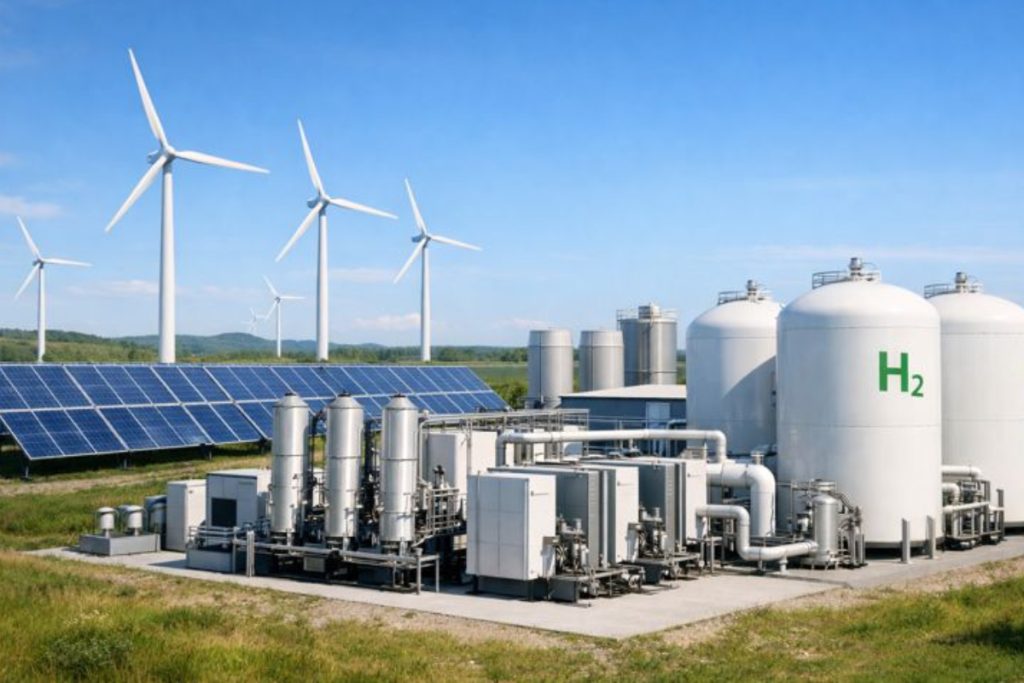
Guide to Green Hydrogen Technology
Green hydrogen technology is reshaping the way we approach clean energy, offering a path to reduce carbon emissions and create sustainable solutions for industry and daily life. Unlike conventional hydrogen production, which relies on fossil fuels, green hydrogen is generated through electrolysis using renewable energy. This makes it a crucial innovation for combating climate change while supporting renewable energy integration. As interest in sustainable technologies grows, understanding green hydrogen technology helps businesses, communities, and individuals make informed decisions about adopting greener energy practices.
Before diving deeper, here is a brief overview of what you can expect from this guide, summarizing the main ideas to look out for.
Green Hydrogen Technology at a Glance
To grasp the essentials of green hydrogen technology, it is helpful to consider its key concepts and applications. The following points provide a concise picture of its potential:
- Green hydrogen is produced using renewable electricity, avoiding carbon emissions.
- It serves as an energy storage solution, complementing solar and wind power.
- Industries like transportation, manufacturing, and power generation are increasingly adopting it.
- Technological advancements, such as improved electrolysis methods, are driving efficiency and scalability.
- Governments worldwide are creating policies and incentives to support their adoption.
These points form the foundation for understanding why green hydrogen technology is becoming central to global clean energy strategies. With these basics in mind, the guide will explore its science, benefits, applications, challenges, and future opportunities.
What is Green Hydrogen Technology?
Green hydrogen technology refers to hydrogen production methods that use renewable energy sources, such as wind or solar power, to split water molecules through electrolysis. This process results in hydrogen gas without generating carbon emissions. Unlike “grey” or “blue” hydrogen, which relies on fossil fuels or carbon capture systems, green hydrogen is entirely renewable.
The Science Behind Green Hydrogen
Electrolysis separates water into hydrogen and oxygen using electricity. There are different types of electrolyzers, including alkaline, proton exchange membrane (PEM), and solid oxide. Each has unique efficiencies and applications. For instance, PEM electrolyzers are compact and suitable for industrial use. Just as future battery innovations are transforming energy storage, green hydrogen technology is reshaping how we store and distribute clean energy.
Environmental Advantages of Green Hydrogen
Green hydrogen reduces greenhouse gas emissions significantly. It offers a solution for sectors that are hard to decarbonize, such as steel production and heavy transportation. Combined with renewable energy, it supports a transition toward net-zero emissions. Alongside carbon capture solutions, green hydrogen technology helps industries reduce their carbon footprint while promoting sustainable practices.
Current and Emerging Applications
Green hydrogen is increasingly used in industrial processes, including chemical production and refining. It is also emerging as a fuel for transportation, powering buses, trucks, and even trains. Hydrogen fuel cells generate electricity efficiently, making them an attractive option for clean power. Coupling solar energy systems with green hydrogen production allows for better utilization of surplus renewable energy, enhancing overall energy efficiency.
Advantages and Limitations of Green Hydrogen Technology
While green hydrogen technology offers significant environmental and economic benefits, its widespread adoption faces several challenges. These include high production costs, limited infrastructure, storage complexities, and transportation hurdles that must be addressed to make this clean energy solution viable on a global scale.
Benefits for Industries and Governments
Green hydrogen can stabilize renewable energy grids and provide energy storage solutions. It also supports decarbonization in hard-to-abate sectors and contributes to national energy security. Policies and incentives are increasingly encouraging industries to integrate green hydrogen into their operations, creating investment opportunities and sustainable growth.
Challenges and Obstacles
Despite its potential, green hydrogen faces hurdles, such as high production costs, storage challenges, and limited infrastructure. Transporting hydrogen safely and efficiently remains a concern, and scaling production to meet global demand requires significant investment. Addressing these challenges is essential for green hydrogen to achieve its full potential as a mainstream energy source.
Green Hydrogen Infrastructure and Production Challenges
Scaling green hydrogen technology requires robust infrastructure, from large production facilities to efficient storage and transportation systems. While green hydrogen offers immense environmental benefits, realizing its full potential depends on addressing these practical challenges.
Large-Scale Production Facilities
Several pilot plants are already demonstrating industrial-scale electrolysis, but widespread adoption requires significantly larger facilities. Regional hubs are being developed to produce green hydrogen where renewable energy is abundant, ensuring a consistent supply for industrial and transportation needs.
Storage and Transportation
Hydrogen is difficult to store and transport because it is highly flammable and has a low energy density in its natural state. Common methods include compressed gas, liquefied hydrogen, or chemical carriers that release hydrogen when needed. Building safe pipelines, specialized transport vehicles, and local storage hubs is essential to move hydrogen from production sites to end users efficiently.
Supply Chain and Global Trade
International collaboration is increasing to establish global hydrogen supply chains. Countries with excess renewable energy are exploring exports to regions with high industrial demand. Establishing standards, reducing transportation costs, and ensuring safety across borders are key to creating a reliable and scalable global hydrogen market.
How to Get Involved with Green Hydrogen Technology
Understanding how to engage with green hydrogen technology can help readers make practical choices.
Individual Actions and Awareness
Consumers can influence clean energy adoption by supporting products and services powered by renewable energy. Opting for hydrogen-fueled transportation or encouraging local initiatives can help build demand for green hydrogen solutions. Awareness of energy policies and technologies also enables better decision-making at the household and community levels.
Opportunities in Investment and Research
Green hydrogen presents opportunities in research, innovation, and sustainable investment. For instance, funding projects that develop new electrolysis methods or hydrogen-powered solutions supports the growth of this sector. Learning about green hydrogen also prepares individuals to participate in emerging career paths and entrepreneurial ventures in clean energy.
Future Outlook of Green Hydrogen Technology
Looking ahead, green hydrogen technology is expected to expand globally as production costs decrease and infrastructure improves. Governments are investing in hydrogen corridors, industrial partnerships, and renewable integration programs. Research continues to enhance electrolyzer efficiency, storage options, and industrial applications.
Innovations Driving the Market
New technologies are making green hydrogen production more efficient and cost-effective. Combining renewable energy with advanced storage systems ensures consistent energy availability. The continued development of electrolyzers and hydrogen storage solutions will accelerate adoption across multiple sectors.
Policy and International Initiatives
Global initiatives support the widespread use of green hydrogen technology. Countries are forming partnerships to establish standards, invest in infrastructure, and encourage cross-border trade of clean hydrogen. These collaborative efforts aim to create a more sustainable and resilient global energy system.
Green Hydrogen Technology: A Sustainable Energy Path
Green hydrogen technology represents a significant step toward a cleaner energy future. Its applications in transportation, industry, and energy storage highlight its potential to reduce carbon emissions and promote sustainability. By understanding its science, advantages, challenges, and opportunities, readers can better engage with the transition to renewable energy.
Researchers are exploring new green hydrogen applications to expand its role in clean energy systems, providing additional ways for industries and communities to integrate hydrogen into their operations. Adopting and supporting green hydrogen technology today can help create a more sustainable and resilient energy landscape for tomorrow.