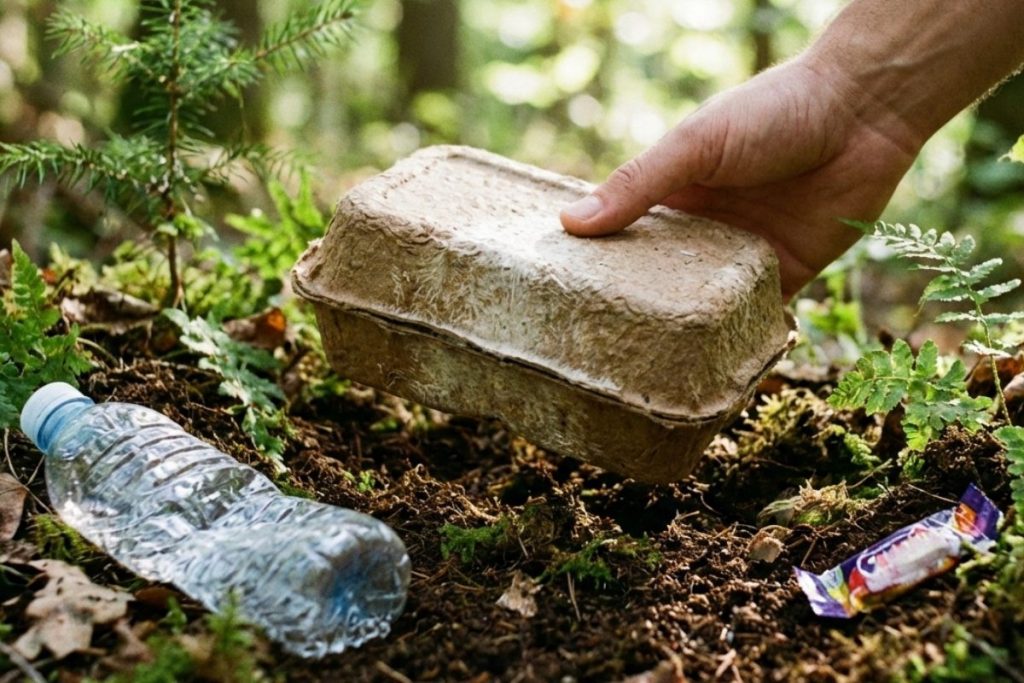
Why Mushroom Packaging Replaces Plastic
Plastic alternatives are becoming more than a trend, and mushroom packaging replaces plastic in surprising and practical ways. Imagine a material that grows from fungi, protects fragile items, and disappears back into the earth within weeks. This eco-friendly solution not only tackles waste but also transforms how businesses and consumers think about packaging. Understanding how it works can reveal simple yet powerful ways to reduce environmental impact while making everyday life more sustainable.
Before diving deeper, let’s explore the key benefits and applications of mushroom packaging to see why it is gaining popularity.
Why Mushroom Packaging Replacing Plastic Matters
The switch from plastic to mushroom-based materials offers several advantages for both the planet and daily life. Mushroom packaging is biodegradable, requires less energy to produce than plastic, and offers a lightweight structure suitable for shipping and storage. Its versatility makes it ideal for food containers, protective packaging, and other everyday products.
Here are the main reasons mushroom packaging is replacing plastic:
- Fully biodegradable and compostable within weeks.
- Made from renewable and abundant resources like mycelium and agricultural waste.
- Reduces carbon footprint compared to plastic production.
- Offers cushioning and durability for shipping sensitive items.
- Safe for food and consumer products.
This quick overview highlights why more companies are exploring mushroom packaging as a sustainable alternative.
What Is Mushroom Packaging?
Mushroom packaging is made from the root structure of mushrooms, known as mycelium. Mycelium grows rapidly on agricultural waste, such as sawdust or crop byproducts, and naturally binds together to form a solid, lightweight structure. When cultivated in molds, this material can take the shape of containers, protective packaging, and other useful forms.
Because it is created from natural ingredients, mushroom packaging is fully biodegradable and compostable. It can safely come into contact with food and consumer goods, and when disposed of, it decomposes quickly, returning nutrients to the soil.
By understanding what mushroom packaging is, businesses and consumers can make informed decisions about adopting this eco-friendly material in their operations or daily routines.
How Mushroom Packaging Replaces Plastic in Everyday Use
Mushroom packaging is becoming increasingly visible in daily life, from online orders to grocery stores. Its adoption is driven by its unique material properties and environmental benefits. Understanding how it works can help businesses and consumers make informed choices.
Understanding the Material—Mycelium-Based Packaging
Mycelium is the root network of mushrooms. It grows on organic matter and forms a strong, lightweight material that can replace plastic in packaging applications.
Once used, mushroom packaging can be broken down naturally, similar to practices you’d find in composting tips for beginners, reducing landfill waste. Its decomposition process leaves no toxic residues and enriches the soil, making it a closed-loop solution for packaging.
Environmental Impact Compared to Plastic
Traditional plastics take hundreds of years to decompose and contribute to pollution, ocean damage, and greenhouse gas emissions. In contrast, mushroom packaging reduces carbon emissions during production and fully biodegrades within weeks.
Switching to mushroom packaging is one of the simplest ways to reduce waste in your daily life without sacrificing convenience. By choosing biodegradable materials, individuals and businesses can help protect land and waterways from plastic pollution.
Applications in Food and Consumer Goods
Mushroom packaging is already used for food containers, protective shipping materials, and even electronics packaging. Its natural cushioning protects fragile items while being safe for contact with consumables.
Choosing products wrapped in mushroom packaging complements your impact of food choices on environmental sustainability. Opting for these eco-friendly alternatives encourages companies to adopt greener materials and practices, creating a positive ripple effect.
When and Where Mushroom Packaging Works Best
Not all packaging materials suit every situation, but mushroom-based products excel in a variety of common and practical scenarios. Understanding when and where to use them can help both businesses and consumers make environmentally responsible choices without compromising functionality.
Ideal Scenarios for Adoption
Businesses can integrate mushroom packaging in multiple ways. It is highly effective for shipping fragile items, such as electronics, glassware, or delicate food products, because of its natural cushioning properties. Retailers can also use it for eco-friendly product packaging that enhances brand sustainability without adding extra weight.
For consumers, mushroom packaging works well for food delivery, home storage, and gift packaging. Its lightweight nature makes it easy to handle, while its durability ensures that items stay protected during transport or storage. Additionally, small-scale creative uses, such as wrapping handmade products or organizing household goods, allow individuals to reduce plastic use in everyday life.
Limitations and Considerations
While mushroom packaging is strong and versatile, it does have some limitations. It is sensitive to moisture, and prolonged exposure to wet conditions may weaken its structure. This makes it less suitable for long-term storage of wet items or outdoor use in humid environments. Some types of mushroom packaging may also be more expensive than conventional plastic, particularly in larger quantities or for custom molds.
Being aware of these factors allows businesses and individuals to make informed choices. For example, pairing mushroom packaging with protective liners or using it for dry goods can optimize its benefits while avoiding potential drawbacks.
How to Implement in Daily Life or Business
Finding suppliers that offer mushroom packaging has become increasingly easy. Many eco-conscious companies now provide options for both bulk purchases and individual use. Businesses can experiment by starting with small batches for product shipments or promotional packaging, gradually scaling up as they see positive results.
Consumers can incorporate mushroom packaging by selecting products that use it, requesting eco-friendly packaging from online retailers, or exploring DIY kits for small household applications. Incorporating this material into routines not only supports sustainability but also demonstrates a commitment to environmental responsibility, inspiring others to consider eco-friendly alternatives as well.
Innovations and Future of Mushroom Packaging
The field of mushroom packaging continues to evolve, with researchers and companies developing new methods to improve its performance. Innovations now focus on increasing durability, moisture resistance, and scalability for larger production. These advances expand its potential beyond food and shipping, with possibilities in furniture, insulation, and even fashion.
As production scales up, mushroom packaging could become more cost-effective, making it accessible to more businesses and consumers. Sustainability certifications and standards are also emerging, ensuring products meet environmental criteria and perform reliably.
Adopting mushroom packaging today not only addresses current waste issues but also supports future innovations that could replace other plastic-based materials. This makes it a forward-looking solution for anyone seeking long-term environmental impact.
Why Mushroom Packaging Replaces Plastic: A Sustainable Choice
Switching to mushroom packaging is more than a trend; it is a practical step toward reducing environmental impact. Replacing single-use plastics decreases waste, lowers carbon emissions, and supports circular economy practices. Individuals and businesses alike can make a difference by choosing biodegradable options that naturally return nutrients to the soil.
For further information on sustainable packaging alternatives and their broader applications, readers can explore trusted resources online to see how similar solutions are implemented globally.
Mushroom packaging represents a tangible, accessible way to address plastic pollution. As more companies adopt it and as consumers embrace eco-friendly choices, the benefits will continue to grow, showing that small decisions can lead to meaningful change.